Corn Wet Mill – Fructose & Corn Syrup
 Corn wet milling is the process of separating the corn kernel into starch, protein, germ and fiber in an aqueous medium prior to fermentation. The primary products of wet milling include starch and starch derived products (e.g. high fructose corn syrup and ethanol), corn oil, corn gluten and corn germ. All agricultural crops and residues contain starch, which is a polymer of glucose, a six-carbon sugar. To produce ethanol from grain, the starch portion of the grain is exposed and mixed with water to form a mash. The mash is heated and enzymes are added to convert the starch into glucose.
There are two primary areas where direct steam injection heating can provide value for the Wet Mill process. They are the steeping process and the primary liquefaction or starch cooking process.
Steeping Process
The steeping facilitates the separation of the grain into its many components. In the wet milling process, steeping is the process where the grain is first soaked or ‘steeped’ in water and dilute sulfurous acid for 24-36 hours. Steep tanks may hold from 70.5 to 458 cubic meters (m3) (2,000 to 13,000 bushels) of corn, which is then submerged in a current of dilute sulfurous acid solution at a temperature of about 125°F (52°C). To reach this temperature, hot water is added to the steeping tanks. After steeping, the corn slurry is processed through a series of grinders to separate the corn germ. The remaining fiber, gluten and starch components are further segregated using centrifugal, screen and hydroclonic separators.
PSX Water Heater Advantages
- Internal steam modulation design of the PSX heater controls the steam mass flow and not the steam pressure thus eliminating steam hammer and vibration issues
- Low pressure steam may be used since the steep system operates at low pressure
- Low maintenance due to the PSX heater’s self cleaning design
- Stable operation due to better steam injection heating methods (elimination of steam hammer)
- Precise temperature control allows for a more reliable heating process.+/- 1°F (-17.2°C)
- Reduced pressure drop (typically 1-2 psig) reduces pump energy demand
- Direct mechanical control of the steam injector allows for linear process heating control
- PSX is controlled by the plant PLC/DCS or local controller with no proprietary software required
- Ease of installation as the PSX heater can be installed in the piping requiring no floor space
Primary Liquefaction – Starch Cooking Process
After the steeping and separation process, the starch is physically and chemically prepared for fermentation. The milled grain is mixed with process water, the pH is adjusted to about 5.8, and an alpha-amylase enzyme is added. The grain mash must go through a cook process, to raise the slurry’s temperature. In the Primary Liquefaction Stage, slurry is then heated with a pressurised jet cooker at 221°F – 228°F (105°C – 109°C). The mixture is then cooled by an atmospheric or vacuum flash condenser and then the mixture is held for 1–2 hours at 180–190°F (82°C – 88°C) to allow the enzymes time to work.
Previous first generation jet cookers suffered from various issues:
- Poor alignment of the steam injector and condensing tube force the system to run at artificially high pressure drops (delta P), causing premature localised wear, non-uniform shearing action and an increased use of enzymes to compensate
- The poor alignment of steam injection and condensing tube leads to over driving the condensing tube which can reduce starch slurry flow rates through the Jet Cooker and increase energy consumption by placing a higher demand on the slurry pumps
- Single point condensing tube drive systems lead to premature failure of drive components
PSX Jet Cooker Key Benefits:
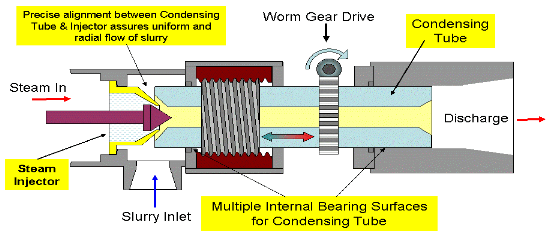
- Multiple bearing surfaces provides precise alignment between steam injector and condensing tube to promote radial slurry flow which assures uniform and radial flow of the starch slurry
- Improved jet cooking performance. The PSXJet Cooker is designed for ethanol and starch process applications, where optimisation of the pressure drop results in improved starch cook-out performance and a reduction in enzyme costs. The uniform alignment between the Condensing Tube and Steam Injector for more uniform flow and eliminates the need for over driving the combining tube to compensate for misalignment
- Reduced maintenance by eliminating the single point bolt stud connection which is a common failure point in other Jet Cookers
- No proprietary software or controls required. The system can be operated directly from the plant DCS/PLC
- No plant air consumption as the drive system utilises an AC motor
- Positional steam inlet allows the steam inlet to rotate 360° to meet the incoming steam piping regardless of the slurry inlet and discharge positions for ease of installation
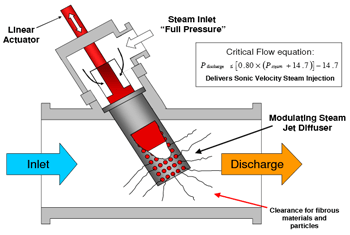
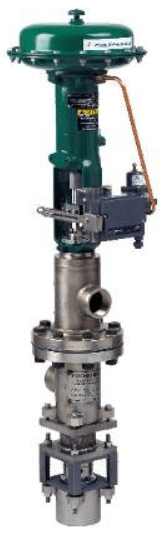 The OptiShear Jet Cooker is designed for starch cooking, wet mill processing of starch, ethanol production, as well as fructose and alcohol production. ProSonix unique method of direct steam injection utilises internal steam modulation via an integral Pneumatic Actuator and variable position steam plug, to accurately meter the mass flow of steam, through choked flow conditions. Choked flow is the phenomenon of accelerating a vapor to maximum velocity by creating a pressure differential through an engineered opening. By establishing choked flow, the steam mass flow can be metered to precisely control the heating of the liquid. This produces predictable results based on the position of the steam plug. Through a variable-area steam diffuser, steam flow is metered at the point where steam and liquid first contact and mix.
 Biomass pretreatment is the initial stage of preparing hemicellulosic materials such as corn stover, grass, straw and wood fiber for ethanol conversion.
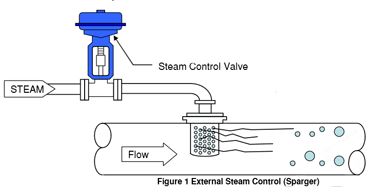 More and more agricultural and dairy farms as well as beef, hog and poultry operations are considering the use of anaerobic digestion for biogas production. These operations typically produce a significant amount of organic matter in the form of manure. Anaerobic digestion is a biological process that breaks down organic solids. Manure can be processed in anaerobic digesters and the byproduct is methane gas. The methane gas can be captured, stored and used to run electrical generators and boilers for use in the farm operations. Heat exchangers can face the following challenges when heating sludge:
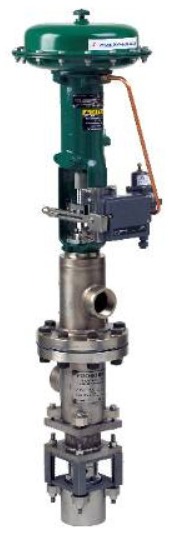 The OptiShear jet cooker is designed for starch cooking, wet mill processing of starch, ethanol production and fructose and alcohol production. ProSonix’s unique method of direct steam injection utilises internal steam modulation via an integral Pneumatic Actuator and variable position steam plug, to accurately meter the mass flow of steam, through choked flow conditions. ‘Choked flow’ is the phenomenon of accelerating a vapor to maximum velocity by creating a pressure differential through an engineered opening. By establishing choked flow, the steam mass flow can be metered to precisely control the heating of the liquid. This produces predictable results based on the position of the steam plug. Through a variable-area steam diffuser, steam flow is metered at the point where steam and liquid first contact and mix.
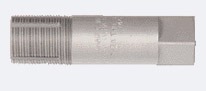 Thread Chasing Tools for heat exchangers are used in conjunction with packing removal tools. Thread chasing tools will remove any leftover packing material in tubesheet hole threads before re-packing is done and are available in the following threads: 7/8-16 (3-5/8 OAL, 5/8 drive square), 7/8-18 (3-5/8 OAL, 5/8 drive square), 1-16 (3-3/4 OAL, 3/4 drive square) and 1-18 (3-3/4 OAL, 3/4 drive square).
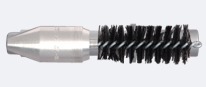 Aluminum Tube Guides protect the tube end during installation and ensure accurate alignment of the tube through the baffle. Standard guides are available in seven sizes with a wide range of Gauge options and packaged in groups of 10. Other sizes and materials are available as well. Replacement nylon brushes are also available. Made-to-order sizes from 3/8″ to 3″ Outer Diameter is also available.
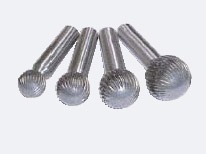 Carbide Burs are .005 larger than tube holes, within TEMA specifications and are available for .640 to 1.015-inch (16.3 – 25.8mm) Outer Diameter. Carbide Burs for heat exchangers feature a left hand spiral, a right hand cut and a 1/2-inch diameter shank.
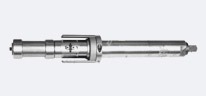 The Hydraulic Tube Cutter quickly and efficiently cuts tubes in front of the tube sheet. In fact, it can cut a 2-inch Outer Diameter tube in just 8 seconds. The Hydraulic Tube Cutter automatically raises the cutter wheel, cleanly cutting through the tube. An adjustable collar ensures the tubes are consistently cut at precisely the right tube position.