
Ethanol Production
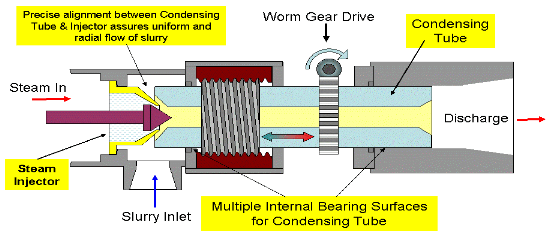
 PSX Jet Cookers use ethanol (ethyl alcohol or grain alcohol) that is produced through a liquefaction process whereby a starch is converted to a sugar, which is then converted to an alcohol product and referred to as ethanol. Ethanol production requires a starch (corn, wheat, rye) based feedstock to supply the conversion process. The grain mash must go through a cook process, to raise the slurry’s temperature. In the Primary Liquefaction Stage, slurry is then pumped through a pressurized jet cooker at 221°F (105°C) and held for 5 minutes. The mixture is then cooled by an atmospheric or vacuum flash condenser. After the flash condensation cooling, the mixture is held for 1–2 hours at 180°F – 190°F (82°C – 88°C) to allow the enzymes time to work.
- The Jet Cooker is a critical to evenly hydrolyse and heat the grain mash slurry. The relationship between the Jet Cooker’s steam injector and condensing tube produces a pressure drop to help maximise shear action to improve starch conversion.
- Poor alignment of the steam injector and condensing tube can cause artificially high delta P, pre-mature localised wear, non-uniform shearing action and an increased use of enzymes to compensate.
- The poor alignment of steam injection and condensing tubes lead to overdriving the condensing tube which can reduce starch slurry flow rates through the Jet Cooker and increases energy consumption by placing a higher demand on the slurry pumps.
- Single point condensing tube drive systems lead to premature failure of drive components.
PSX Jet Cooker Solution:
The PSX heater is state of the art Jet Cooking technology. The steam condensing tube has multiple bearing surfaces, thus providing precise alignment with the steam injector which assures radial flow of starch slurry in the Jet Cooker. The unique drive system rotates the condensing tube thus eliminating localised wear.
ProSonix Direct Steam Injection Key Benefits:
- Multiple bearing surfaces assure proper alignment between the condensing tube and steam nozzle thus improved shear action and reduces enzyme consumption
- Industrial drive system eliminates single point drive failure points improving reliability
- Reduced pressure drop improves performance and reduces energy consumption
- Lower maintenance costs with improved drive system reduces internal wear
- Reduced plant air consumption as drive system utilises AC Motor
 Corn wet milling is the process of separating the corn kernel into starch, protein, germ and fiber in an aqueous medium prior to fermentation. The primary products of wet milling include starch and starch derived products (e.g. high fructose corn syrup and ethanol), corn oil, corn gluten and corn germ. All agricultural crops and residues contain starch, which is a polymer of glucose, a six-carbon sugar. To produce ethanol from grain, the starch portion of the grain is exposed and mixed with water to form a mash. The mash is heated and enzymes are added to convert the starch into glucose.
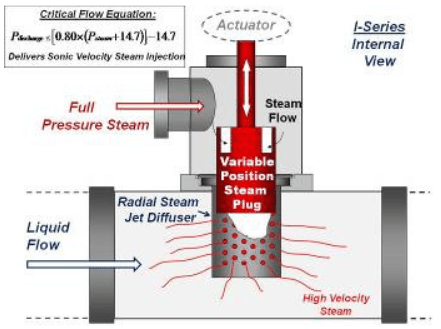
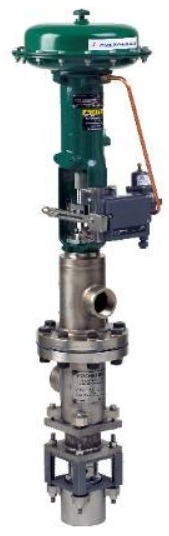 The OptiShear jet cooker is designed for starch cooking, wet mill processing of starch, ethanol production and fructose and alcohol production. ProSonix’s unique method of direct steam injection utilises internal steam modulation via an integral Pneumatic Actuator and variable position steam plug, to accurately meter the mass flow of steam, through choked flow conditions. ‘Choked flow’ is the phenomenon of accelerating a vapor to maximum velocity by creating a pressure differential through an engineered opening. By establishing choked flow, the steam mass flow can be metered to precisely control the heating of the liquid. This produces predictable results based on the position of the steam plug. Through a variable-area steam diffuser, steam flow is metered at the point where steam and liquid first contact and mix.